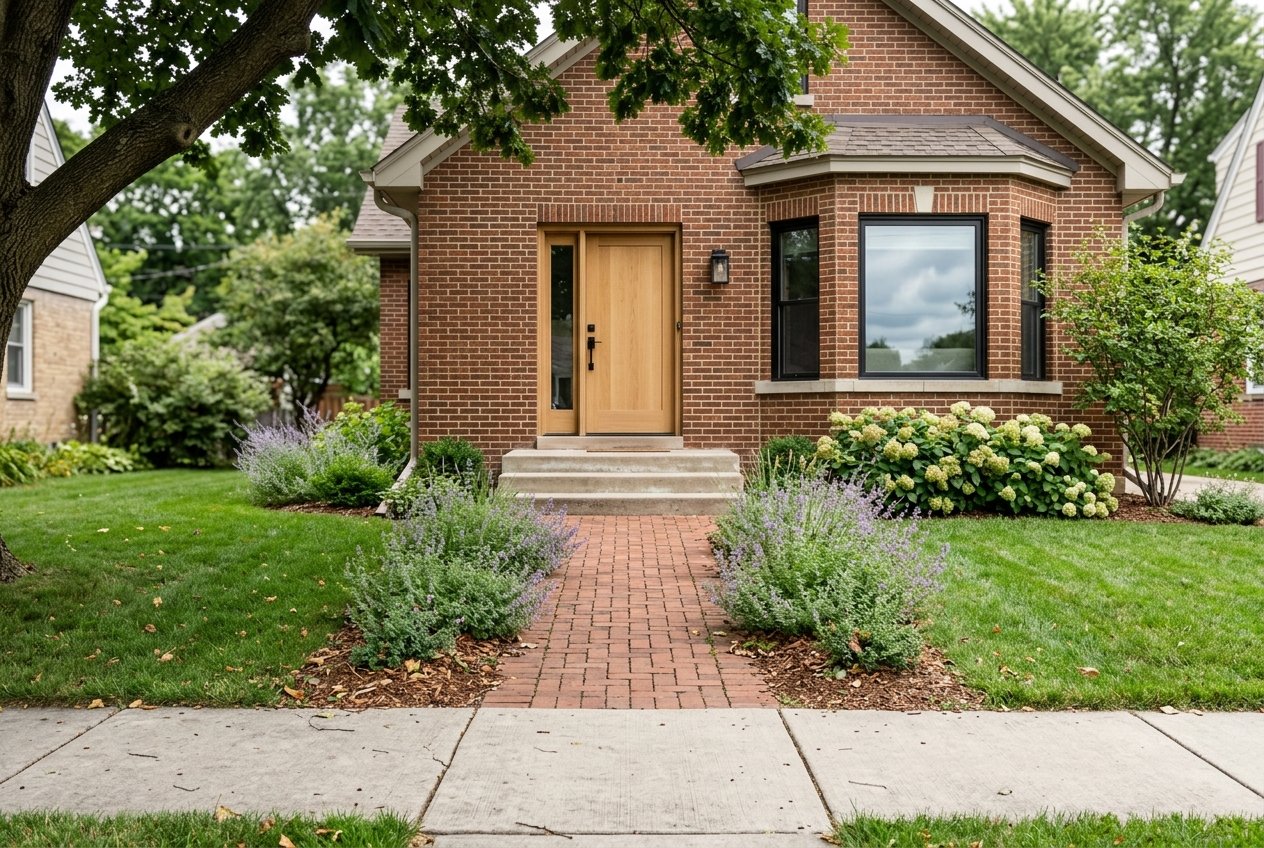
If you are thinking about selling in Park Hill, timing and preparation matter more than ever. This is a neighborhood where character can drive demand, but buyers also notice condition, pricing, and paperwork right away. When you understand how Park Hill’s housing mix, market pace, and older-home realities shape the sale, you can make smarter decisions from day one. Let’s dive in.
Why Park Hill sales need a local strategy
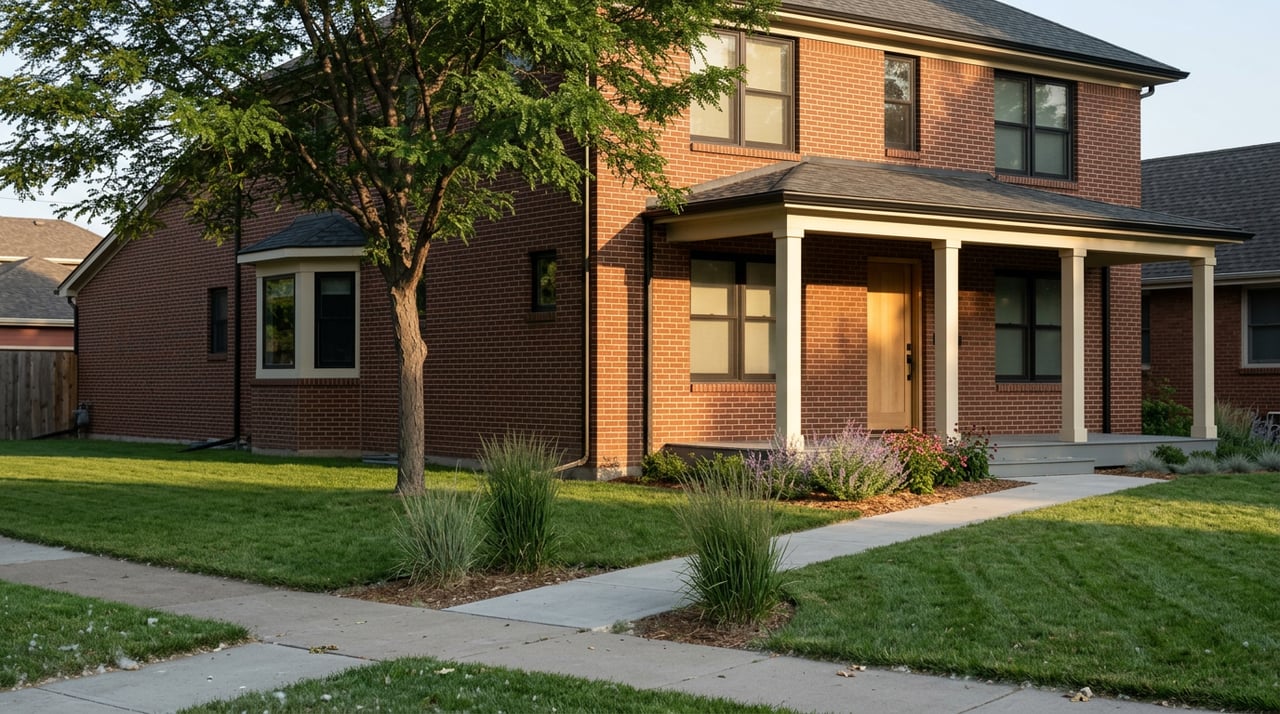
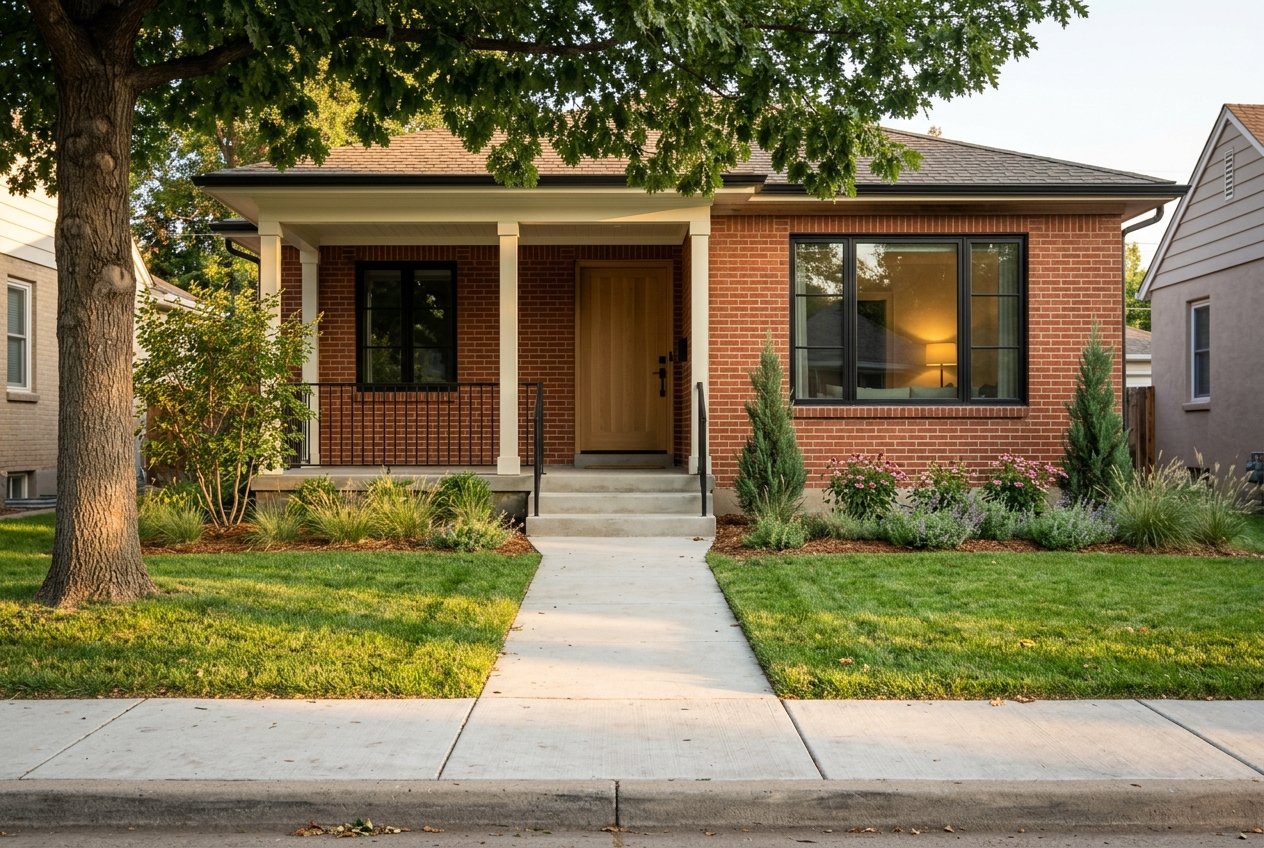
Park Hill is not a one-size-fits-all neighborhood. Its housing stock includes Bungalows, Denver Squares, Queen Anne, Edwardian, Tudor Revival, Colonial Revival, and Dutch Colonial Revival homes, along with the brick, porch-forward feel that gives the area its identity.
That variety is great for buyer appeal, but it also means your pricing and prep plan should be highly specific to your block, style, and condition. A broad Denver average will not tell the full story for a Park Hill seller.
In May 2026, Park Hill’s median sale price was about $751,000, compared with roughly $635,000 citywide in Denver. That gap is one reason local comps matter so much when you are setting expectations.
What the Park Hill market says now
Park Hill is still moving, but buyers are being selective. Recent neighborhood data showed a median 15 days on market, a 99.6% sale-to-list ratio, and 31.5% of homes selling above list.
At the same time, 38.4% of homes took price reductions. That is an important signal. Well-positioned homes can attract strong attention, but pricing mistakes are not being ignored.
At the metro level, the broader Denver market is also showing a more balanced negotiation environment. Higher mortgage rates are still affecting activity, and inspection contingencies, seller concessions, and rate buydowns are back in many deals.
Price to the market, not to hope
A successful Park Hill sale often starts with disciplined pricing. Because homes here vary so much by architecture, lot, updates, and preservation of original features, the best pricing strategy is usually based on the most relevant recent sales in Park Hill itself.
The 99.6% sale-to-list ratio suggests many homes are still closing close to asking price. But the price-drop rate shows that an ambitious first number can create problems if it is not supported by comps and condition.
In practical terms, launch week matters a lot. If your home is priced well, presented well, and backed by clear disclosures, you give buyers a reason to act early instead of waiting for a reduction.
Focus your prep on high-impact updates
For many Park Hill homes, the best pre-listing work is selective rather than extreme. A full renovation is not always necessary, especially when the home already has strong architectural charm.
Simple improvements often have the biggest payoff:
- Deep cleaning
- Fresh paint
- Repairing visible defects
- Servicing major systems
- Improving lighting and basic presentation
- Highlighting sound original details like brick, wood trim, built-ins, and porches
In a neighborhood known for historic character, original materials and overall form can be part of the value story. Buyers are often drawn to the details that make the home feel authentic, so the goal is usually to polish what is already working while addressing issues that create doubt.
Get ahead of older-home concerns
Many Park Hill homes were built decades ago, and buyers know that. That does not mean older homes are harder to sell. It means you should be ready with information early.
Colorado’s Seller’s Property Disclosure is based on your current actual knowledge and calls for disclosure of known issues such as structural problems, moisture or water intrusion, roof age or material, and window leaks. It is not a warranty, but it is a key part of building trust with buyers.
For a smoother listing process, gather documents before you go live. If you have records for roof work, system servicing, drainage improvements, sewer work, or past mitigation efforts, organize them early.
This approach does two things. It helps you complete disclosures more confidently, and it reduces buyer uncertainty during inspections.
Lead paint rules for older homes
If your home was built before 1978, lead-based paint disclosure rules generally apply. Sellers must provide the lead pamphlet, disclose known lead hazards and records, and give buyers a 10-day opportunity to test unless that opportunity is waived.
Because many Park Hill homes were built before 1945, this is often relevant in the neighborhood. If your home falls into that age range, it is smart to prepare for this step before listing.
Radon questions are common
Colorado includes a radon brochure as a required real estate resource, so buyers may ask about radon history, testing, and mitigation. If you have a radon test result or mitigation documentation, have it ready.
Even when there is no issue, clear information helps create confidence. In older homes especially, fewer surprises usually leads to a smoother transaction.
Check historic or landmark rules first
If your property is individually landmarked or located in a historic district, exterior work may require extra review. Denver notes that Landmark Preservation reviews roof permits and other quick permits involving exterior work on individual landmarks or buildings within historic districts.
The city also reviews exterior alterations, additions, signs, and certain non-vegetative site work for those properties. If you are thinking about exterior updates before listing, it is worth confirming any review requirements first.
That step can help you avoid delays and make sure the work you complete supports your sale instead of complicating it.
Market the character buyers want
In Park Hill, your marketing should do more than list square footage and bedroom count. The strongest listing story often centers on what makes the home and setting distinct.
That may include preserved brick, period details, built-ins, mature streetscapes, porches, or the architectural style itself. These features are not just decorative. In Park Hill, they are often part of what buyers are actively shopping for.
Location framing matters too. Park Hill is described as somewhat walkable, somewhat transit-friendly, and very bikeable, which can help buyers compare it with other Denver neighborhoods.
Treat launch week like your best opportunity
Some Park Hill homes go pending quickly, with especially strong listings moving in about four days. That does not happen by accident.
A strong launch usually means these pieces are lined up before the home hits the market:
- Accurate pricing
- Professional presentation
- Strong listing photos
- Completed disclosure prep
- Clear plan for showings and offer timing
When those pieces are aligned, you improve your chances of early momentum. That can make a real difference in both buyer interest and negotiating power.
Look beyond the highest offer
Today’s market calls for a more complete way of reviewing offers. Price matters, but it is only one part of the decision.
Because contingencies and concessions are back in the mix, sellers should also compare:
- Financing strength
- Appraisal risk
- Inspection scope
- Seller concession requests
- Closing timeline
- Overall certainty of closing
In some cases, the cleanest offer is more valuable than the highest one. A smooth closing with fewer risks can protect your net proceeds just as much as a bigger headline number.
A smart Park Hill sale is both strategic and transparent
Selling a home in Park Hill is about more than putting a sign in the yard. You are selling a specific property in a neighborhood where architecture, condition, and pricing discipline all carry real weight.
If you keep the home’s best features visible, address common older-home concerns early, price from Park Hill comps instead of citywide averages, and evaluate offers carefully, you put yourself in a much stronger position. That kind of preparation can help you move faster, reduce surprises, and protect your bottom line.
If you are preparing to sell in Park Hill and want clear guidance on pricing, prep, and offer strategy, Nick Leibbrand can help you build a plan that fits your home and your goals.
FAQs
What makes pricing a home in Park Hill different from pricing elsewhere in Denver?
- Park Hill has a wide mix of architectural styles, ages, and condition levels, so pricing should rely on recent Park Hill comps rather than broad Denver averages.
How fast are homes selling in Park Hill, Denver?
- Recent data showed a median of about 15 days on market in Park Hill, with some especially competitive homes going pending in around four days.
What repairs should sellers prioritize before listing a Park Hill home?
- For many homes, the highest-impact work includes cleaning, paint, visible repairs, system servicing, and highlighting well-preserved original features rather than doing a full renovation.
What disclosures matter when selling an older home in Park Hill?
- Sellers should be ready to complete Colorado’s Seller’s Property Disclosure based on current actual knowledge and, for homes built before 1978, follow lead-based paint disclosure requirements.
Do Park Hill sellers need to think about radon before listing?
- Yes. Colorado includes radon materials as part of real estate transactions, so buyers may ask about radon testing history or mitigation documentation.
What should Park Hill sellers review before making exterior changes?
- If a property is individually landmarked or located in a historic district, exterior work may require review from Denver Landmark Preservation before the work begins.