If you are looking at Park Hill Denver homes as an investment, the opportunity is not just about finding a house at the right price. It is about understanding an older, established neighborhood where architecture, location, and city rules can shape your return. If you know what to look for before you buy, you can make smarter decisions on renovation scope, timeline, and resale potential. Let’s dive in.
Why Park Hill Draws Investors
Park Hill has a long-established housing base that dates back to its original platting in 1887. According to Denver’s East Area Plan, much of the neighborhood’s major building activity took place in the early 1900s, the 1920s, and the 1930s, which means many homes come with both character and age-related considerations.
That older housing stock is a big part of the appeal. Denver describes Park Hill as a streetcar suburb with a wide mix of architectural styles, including Foursquares or Denver Squares, Arts and Crafts, Tudor Revival, French Eclectic, and Colonial Revival. For investors, that variety can create strong demand for homes that keep their original feel while adding practical updates.
Location is another reason Park Hill stays on investors’ radar. The city points to the neighborhood’s proximity to City Park, the Denver Museum of Nature and Science, the Denver Zoo, downtown, hospitals, and historic parkways as long-term draws that support buyer interest.
What Makes Park Hill Different
Park Hill is usually not a simple teardown-and-rebuild play. In many cases, the neighborhood rewards investors who understand older homes, respect original character, and plan for a more detailed approval process than they might see in a newer subdivision.
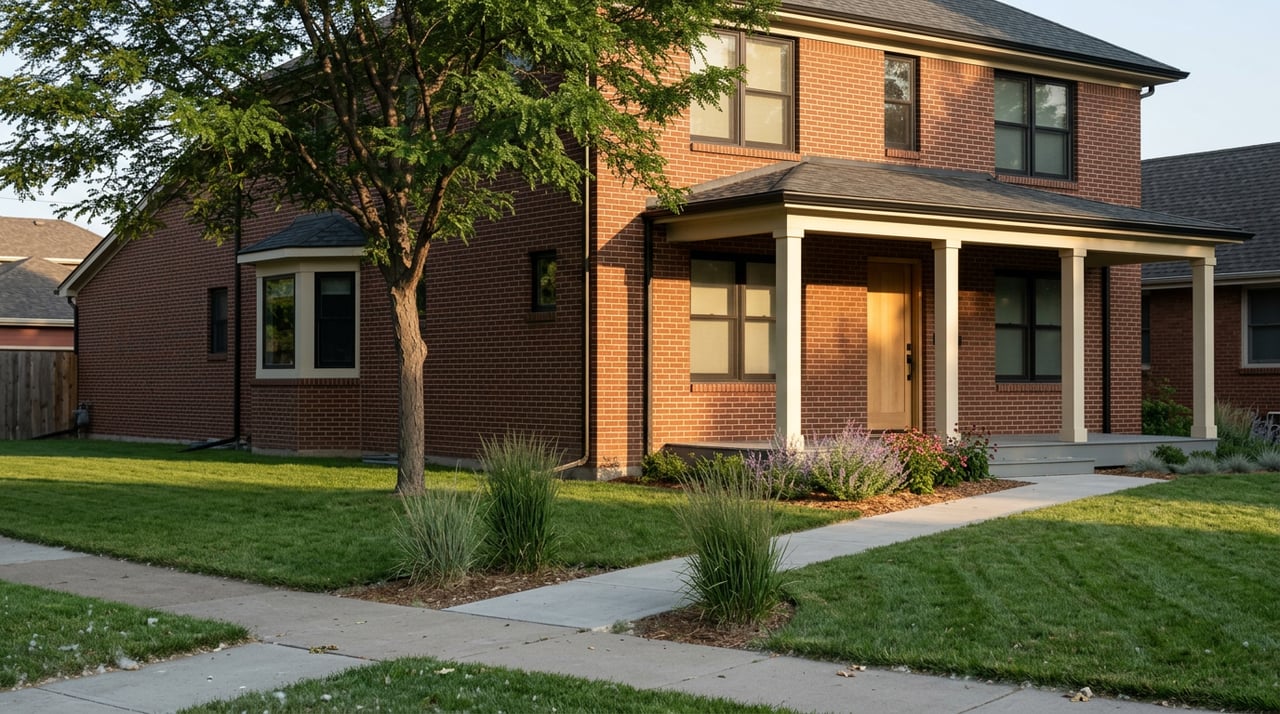
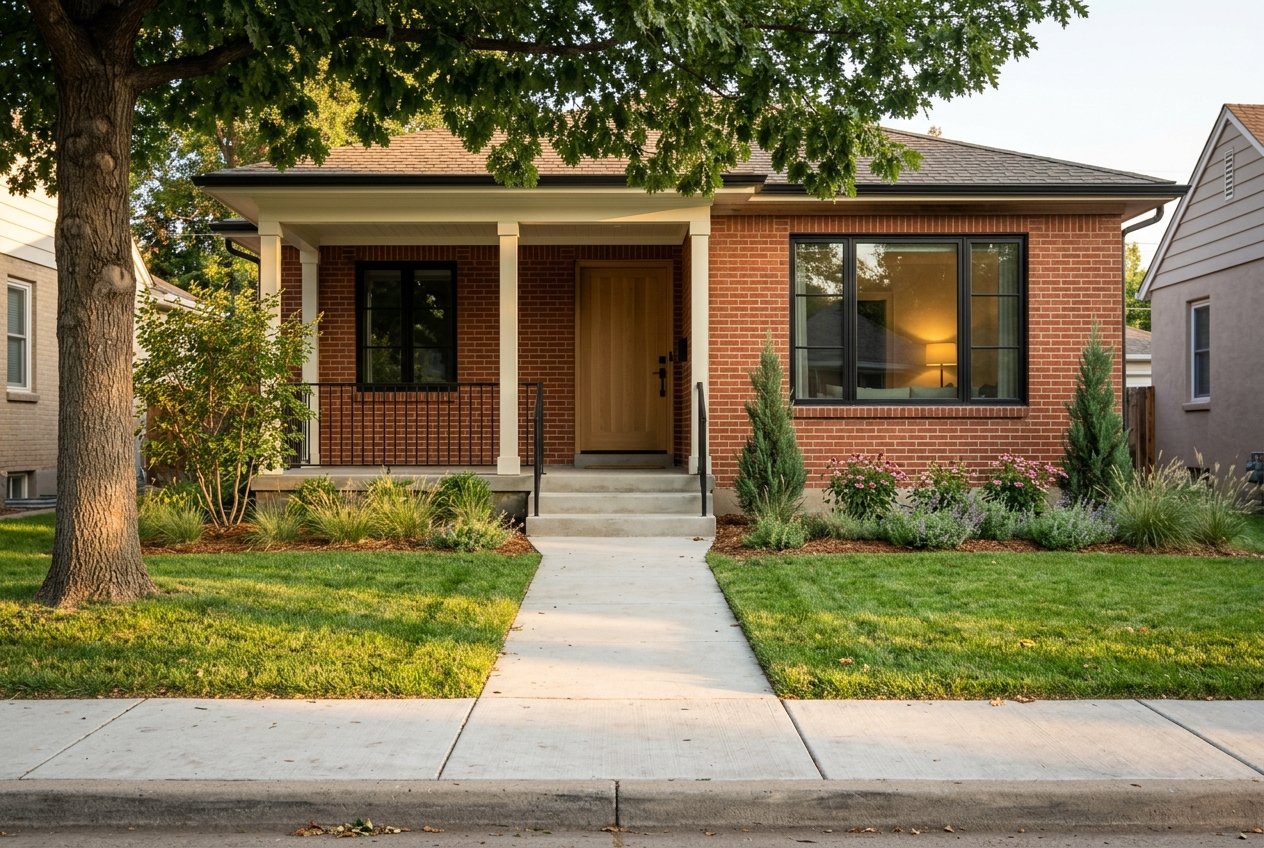
That matters because buyer appeal in Park Hill often ties closely to how a home looks and feels from the street. Denver’s planning guidance highlights brick exteriors, pitched roofs, and front porches or stoops as design cues that fit the area, which helps explain why homes with traditional proportions often stand out in the market.
If you are underwriting a flip or long-term hold, this suggests a practical takeaway. Finish quality and thoughtful updates may matter more here than forcing a design that fights the home’s original architecture.
Older Homes Mean Different Due Diligence
Because much of Park Hill’s housing stock was built in the early 20th century, your inspection and renovation planning need to start with the basics. Investors should pay close attention to roof condition, masonry, windows, electrical systems, plumbing, HVAC, and insulation.
These are not Park Hill-only issues. They are common older-home considerations, but they can have a big impact on your renovation budget and holding timeline if you underestimate them.
Before you finalize numbers, it helps to separate cosmetic wants from core systems. A kitchen refresh may help with resale, but major work on electrical or masonry can affect both safety and code compliance, so those items usually need to be priced first.
Value-Add Projects That Often Make Sense
In Park Hill, value-add work tends to be more effective when it improves function without stripping away the home’s original appeal. The most common themes often include:
- Sensitive interior updates
- Layout improvements
- Garage or driveway upgrades
- Basement finish work
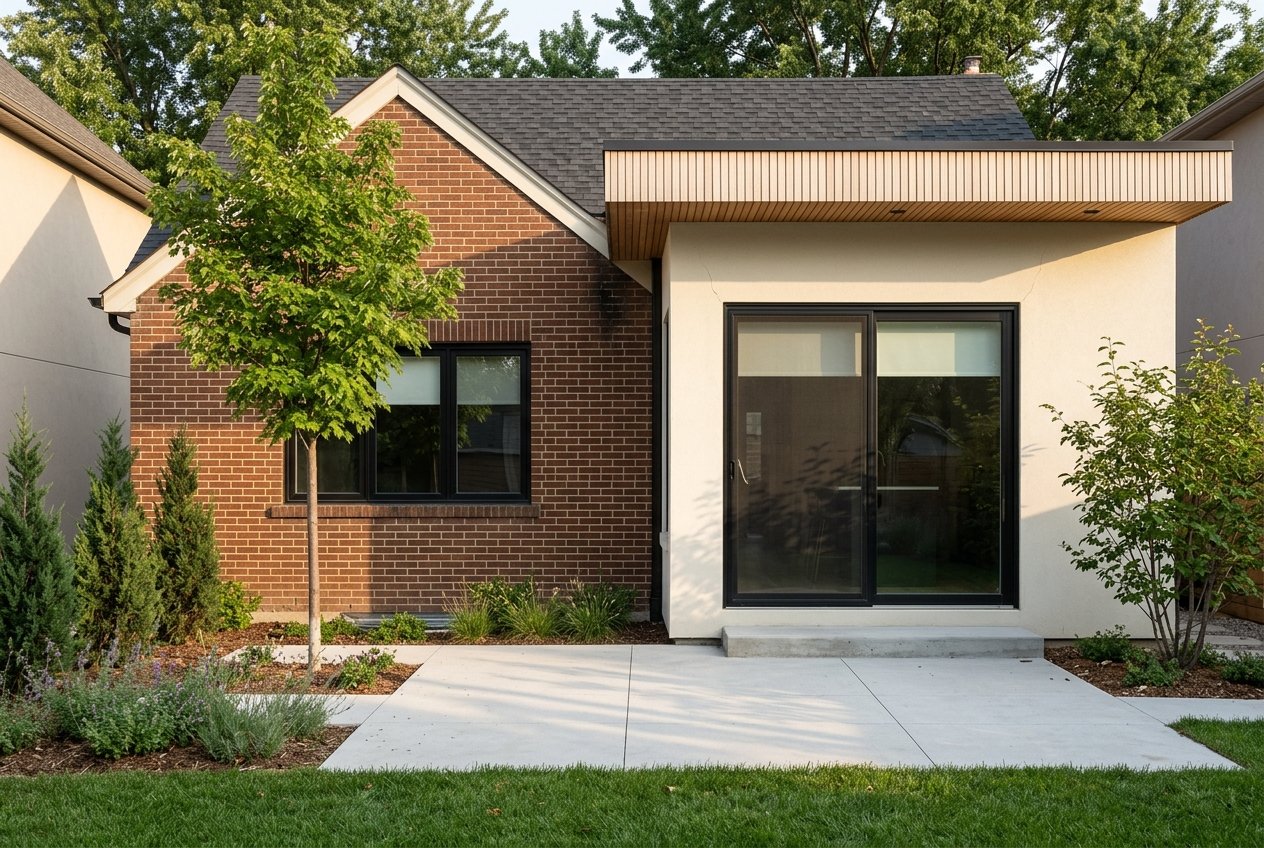
- An accessory dwelling unit, where zoning allows
This is where local rules matter. Denver’s ADU background work shows that detached ADUs can be limited by lot size, setbacks, and height limits, so you should not assume a property can support one without parcel-specific review.
Garage projects also deserve careful planning. Denver requires zoning, building, and sewer use and drainage permits for all garages, which means what looks like a straightforward improvement can involve multiple approvals.
Preservation-Aware Renovation Can Protect Value
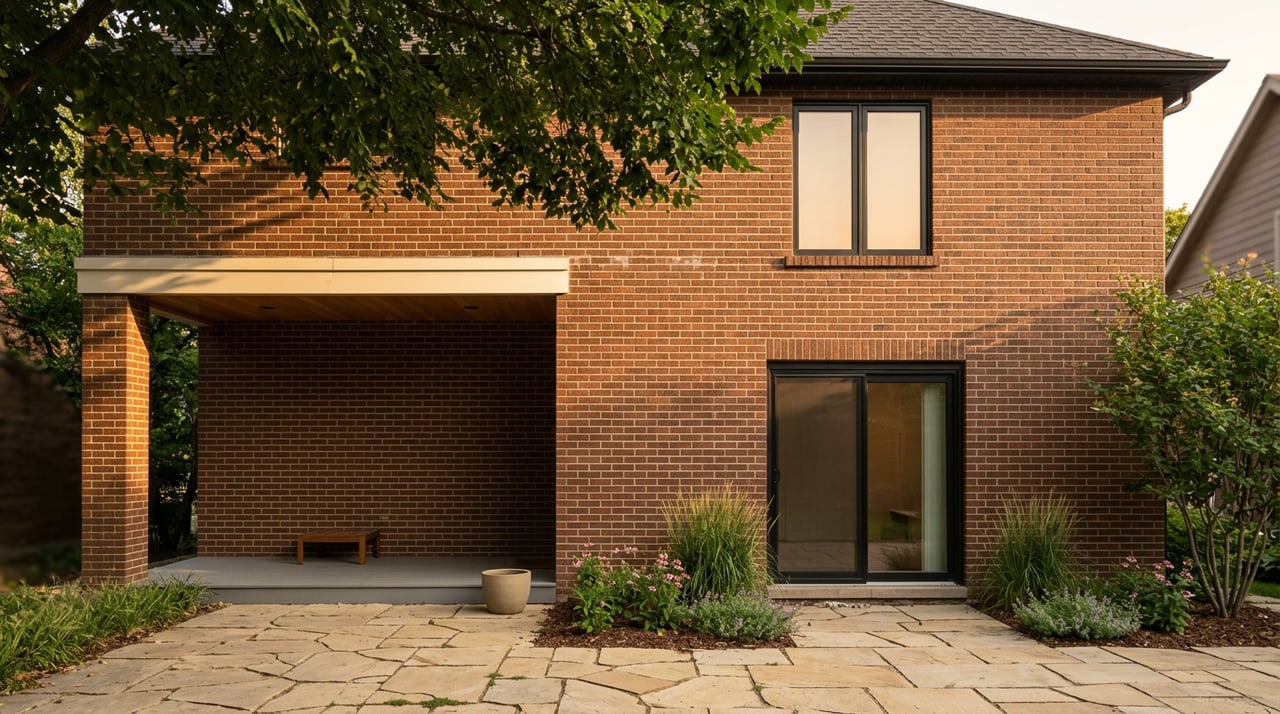
Park Hill often rewards updates that work with the home rather than against it. City planning guidance for the area emphasizes brick and porch-oriented massing, so preserving original proportions and compatible materials can help an updated property feel more natural in the neighborhood context.
That does not mean every project needs to be a full preservation effort. It means investors should think carefully before making exterior changes that dramatically alter the look, scale, or rhythm of the original structure.
This can be especially important if your exit strategy depends on retail buyers who want a move-in-ready home with classic Park Hill character. In that case, a polished renovation that respects the home’s architecture may have broader appeal than one that feels disconnected from its setting.
Permits Can Affect Your Timeline
One of the biggest mistakes investors make in older Denver neighborhoods is treating permits like a minor detail. In Park Hill, approvals can influence your schedule, contractor planning, and carry costs more than you expect.
Denver’s Landmark Preservation staff reviews exterior work that requires a building or zoning permit for individual landmark properties and properties in historic districts. The city also reviews demolition of all primary structures citywide, plus accessory structures over 1.5 stories.
If you are considering roofing or siding work on a landmark property or a building in a historic district, approval is required before the work begins. That is the kind of issue that can delay a project if you discover it after closing instead of during due diligence.
Watch for Parcel-Specific Friction Points
No two Park Hill properties are exactly alike from a permitting standpoint. Denver specifically points investors toward parcel-level review of zoning, landmark status, parkway setbacks, tree issues, and whether a planned addition, garage, or ADU needs separate approvals.
That is especially relevant in a neighborhood with established lots, mature streetscapes, and older structures. A property may look like a strong candidate for expansion or accessory improvements, but the actual development path can be narrower than expected.
A good working checklist before you buy includes:
- Confirm current zoning
- Check whether the property is landmarked or in a historic district
- Review parkway-related constraints if applicable
- Identify any protected street trees in setback areas
- Verify approval paths for additions, garages, or ADUs
- Build renovation costs around current code requirements
Current Code Matters for Budgeting
Renovation math in Park Hill should reflect today’s rules, not assumptions from a past project. Denver adopted its 2025 Building and Fire Codes on June 13, 2025, so investors should budget work against current code requirements.
That can affect labor scope, materials, and contingency planning. If you are buying an older home with plans for meaningful updates, current code can shape the total cost more than the initial walk-through suggests.
Denver also says that nearly all construction and demolition work must separate and recycle materials under its Waste No More requirements. That can influence demo logistics, hauling, and cleanup costs, which should be built into your project timeline and budget from the start.
Hold Strategy Upside May Be Property-Specific
For some investors, Park Hill may work better as a hold than a quick flip. The neighborhood’s established location, adaptable older housing stock, and architectural character can support long-term appeal when the property has been updated thoughtfully.
There may also be project-specific tax advantages in certain cases. History Colorado says approved rehabilitation projects for properties eligible for National or State Register listing may qualify for investment tax credits, but that benefit is property-specific and should never be assumed without verification.
That means your hold strategy should be based on confirmed facts, not broad neighborhood assumptions. If a property appears to have historic eligibility, that can be worth exploring early in your diligence process.
A Practical Investor Lens on Park Hill
If you are comparing Park Hill to newer parts of metro Denver, the tradeoff is fairly clear. Park Hill offers established location advantages, architectural character, and homes that can respond well to quality improvements, but it also asks for more careful underwriting and a more detailed regulatory review.
In simple terms, Park Hill can make sense for investors who are comfortable with older homes and patient enough to plan around permits, code, and neighborhood context. If you prefer a cleaner renovation path with fewer variables, another submarket may feel easier to execute.
For buyers who do like the Park Hill profile, the key is buying with a realistic scope. The best deals are often the ones where you have already accounted for condition, approvals, and finish strategy before you submit the offer.
If you want help evaluating Park Hill Denver homes through both a market and investment lens, Nick Leibbrand can help you sort through property condition, neighborhood fit, and the practical tradeoffs that matter before you move forward.
FAQs
What should investors check first in Park Hill Denver homes?
- Start with older-home fundamentals like roof condition, masonry, windows, electrical, plumbing, HVAC, and insulation, then confirm zoning, landmark status, and any approval issues tied to future plans.
Why do Park Hill homes appeal to Denver investors?
- Park Hill offers an established location, early-20th-century architecture, and close access to major Denver destinations, which can support buyer interest when homes are updated thoughtfully.
Can you add an ADU to a Park Hill property?
- Possibly, but you should verify it property by property because detached ADUs can be limited by lot size, setbacks, and height rules.
Do garage projects in Park Hill require permits?
- Yes, Denver says all garages need zoning, building, and sewer use and drainage permits, and some properties may need added approvals tied to historic status, parkways, or protected trees.
Are historic or landmark rules important for Park Hill renovations?
- Yes, especially for exterior work, roofing, siding, and demolition, because Denver Landmark Preservation reviews certain projects for landmark properties, historic districts, and some structures citywide.
Is Park Hill better for flips or long-term holds?
- It depends on the property, but Park Hill can suit either strategy when you account for older-home repairs, approval timelines, and the value of preservation-aware updates.