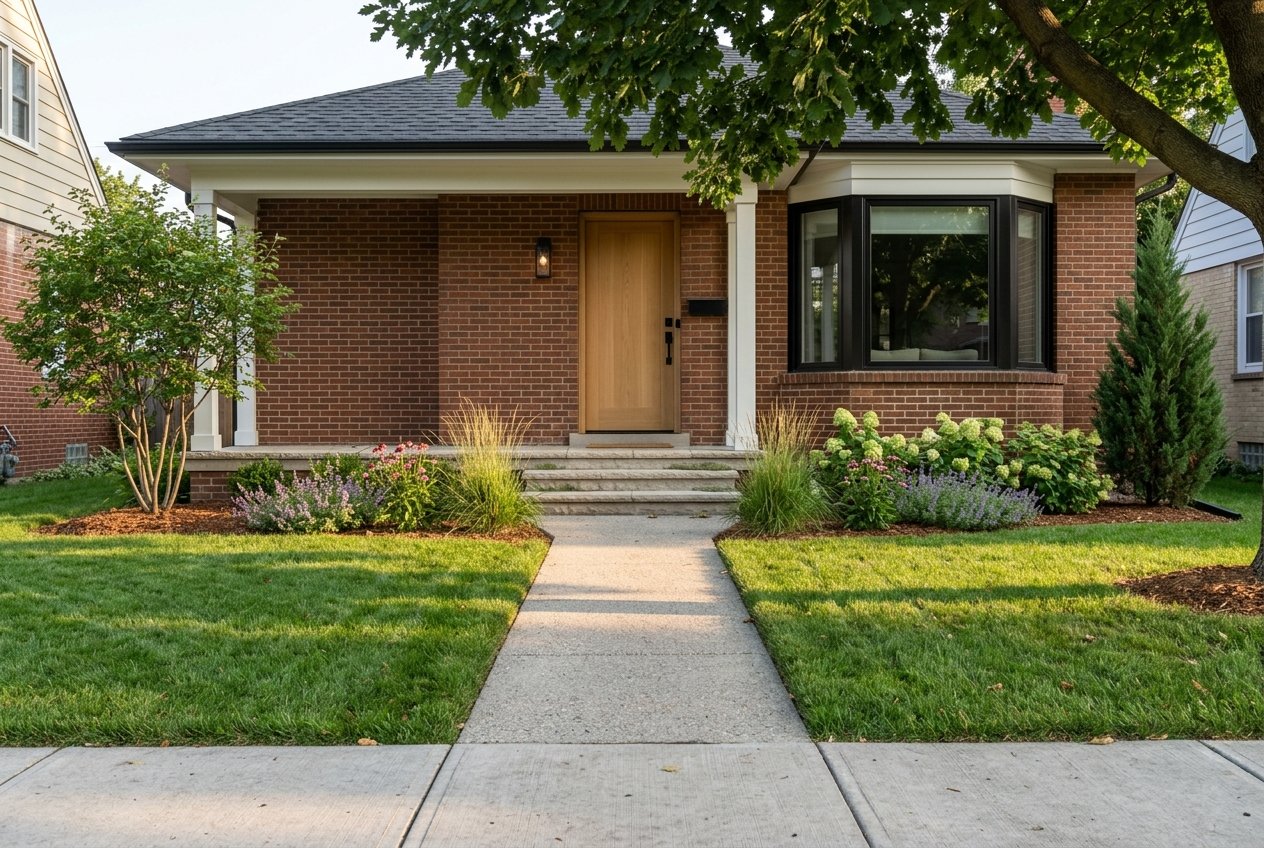
Choosing between Central Park and Park Hill is not just about picking a spot on the map. It is about how you want your everyday life to feel when you leave the house, run errands, spend time outdoors, or settle in at home. If you are weighing these two Denver neighborhoods, this guide will help you compare their layout, housing, amenities, and overall rhythm so you can decide which one fits you best. Let’s dive in.
Central Park and Park Hill at a glance
Central Park and Park Hill can both offer a strong Denver lifestyle, but they feel very different in practice. Central Park is a large master-planned community built on the former Stapleton airport site, while Park Hill developed over time as an older residential neighborhood with historic streetcar-suburb roots.
That difference shapes almost everything else. Central Park tends to feel more planned, more uniform, and more centered around intentionally placed amenities. Park Hill tends to feel more established, more varied from block to block, and more connected to Denver’s older neighborhood fabric.
Central Park lifestyle
Central Park is designed around a New Urbanist framework focused on walkability, mixed uses, parks, trails, and neighborhood-scale homes. According to community materials, the redevelopment spans 4,700 acres, includes 1,100 acres of parks, and features 5.9 million square feet of commercial space.
If you like neighborhoods where amenities are built into the plan, Central Park stands out. The area includes named retail and gathering nodes like East 29th Avenue Town Center, Eastbridge Town Center, The Shops at Northfield, and Stanley Marketplace.
Outdoor access is a big part of daily life here. Visit Denver describes the broader Central Park, Lowry, and Northfield area as having 46 miles of urban trails, along with parks, pools, and access to the Rocky Mountain Arsenal National Wildlife Refuge.
The community site also notes that Central Park has 60 parks, two dog parks, and seven swimming pools. Nearly 25% of its acreage is devoted to parks and nature, which helps explain why the neighborhood often appeals to buyers who want recreation and convenience close to home.
Who Central Park often fits best
Central Park is often a strong match if you want a neighborhood that feels organized and amenity-rich. You may prefer it if you like the idea of newer homes, planned open space, and retail centers that are intentionally woven into the community.
It can also be appealing if you want choices in housing type. Current options include condominium homes, townhomes, cottage-style single-family homes, and some affordable for-sale and for-lease choices, according to the neighborhood’s own materials.
Park Hill lifestyle
Park Hill offers a different kind of appeal. Denver Public Library says the neighborhood was first platted in 1887 and later developed into a residential area known for tree-lined streets and a streetcar-suburb pattern.
Instead of feeling master-planned, Park Hill feels layered. The city’s East Area Plan points to historic parkways, commercial destinations along Colorado Boulevard, 23rd Avenue, and Colfax Avenue, and the neighborhood’s location near major cultural and recreational anchors.
That means your day-to-day routine may feel less centered around one town hub and more tied to nearby corridors and neighborhood nodes. For many buyers, that is part of the charm.
Park Hill’s dining and errand pattern reflects that setup. Amenities are spread across the neighborhood’s edges and nearby commercial streets rather than concentrated into one large planned center.
Who Park Hill often fits best
Park Hill is often a better fit if you are drawn to older architecture and a more established neighborhood feel. You may prefer it if you enjoy visual variety, mature streetscapes, and a classic Denver layout where each block can feel a little different.
It can also appeal to buyers who want a sense of history in the built environment. Park Hill developed in waves, especially during the 1920s and 1930s, with additional construction in the 1940s and 1950s.
Housing styles and home feel
One of the biggest differences between Central Park and Park Hill is the housing stock. If home style matters to you, this may be the section that makes the choice clearer.
Central Park homes
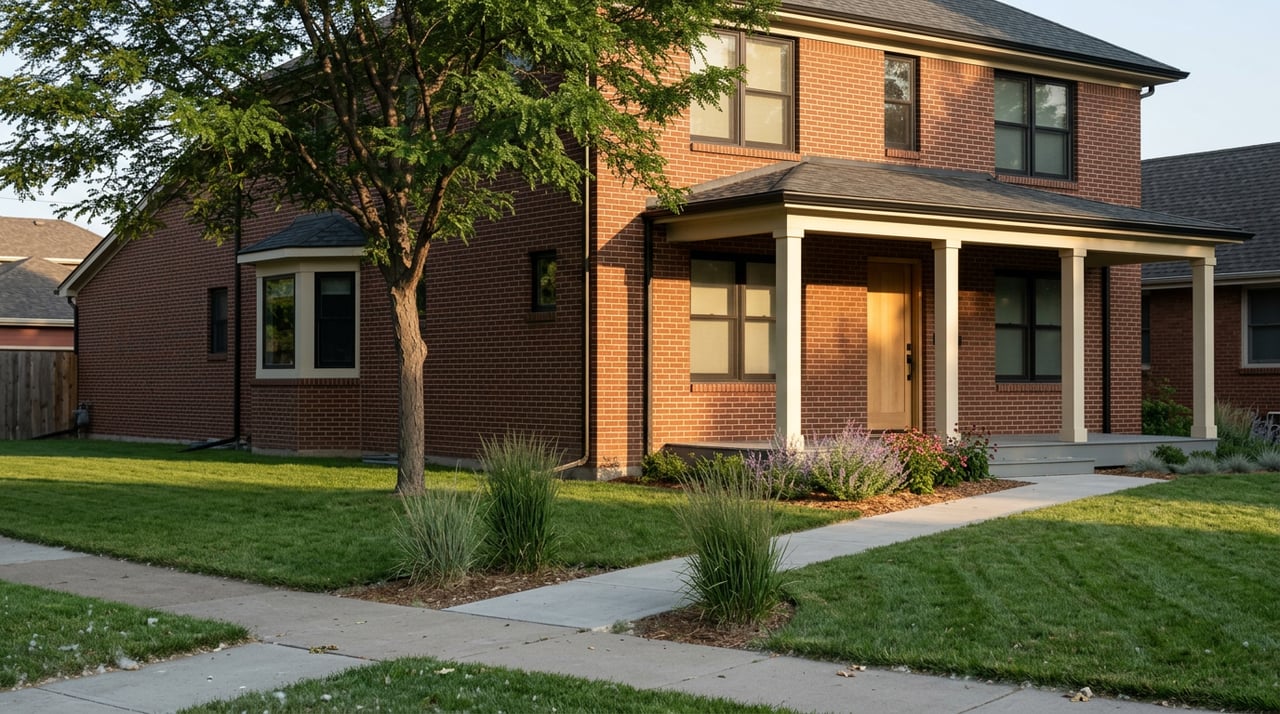
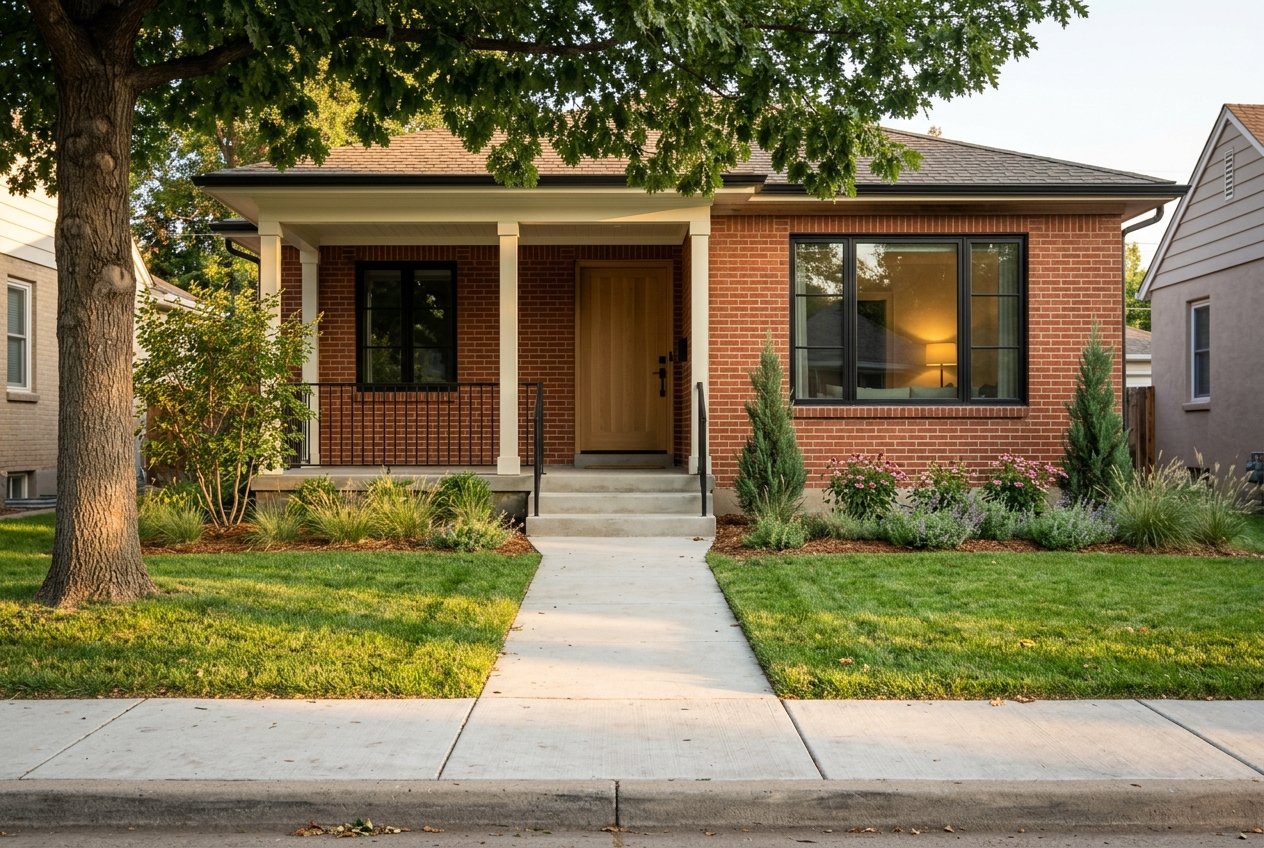
Central Park’s housing mix skews newer and more product-diverse. Community materials highlight new condos, townhomes, and cottage-style single-family homes, along with a design language that emphasizes front porches, rear garages, and neighborhood-scale architecture.
That often creates a more consistent visual experience from one block to the next. For some buyers, that consistency can feel polished and easier to manage, especially if lower-maintenance living is a priority.
Park Hill homes
Park Hill’s housing stock is older and more architecturally varied. Denver Public Library and the East Area Plan describe styles that include Victorian forms, Arts and Crafts homes, Denver Squares, Tudor Revival, French Eclectic, Colonial Revival, and modest mid-century houses.
If you enjoy homes with more distinct architectural personality, Park Hill may feel more compelling. The variety can give each block a different look and rhythm, which is part of why many buyers see it as more historically layered.
Amenities and everyday convenience
Your best neighborhood match often comes down to routine. Think about where you want to grab coffee, spend time outside, shop, or meet friends on a typical week.
Central Park convenience
Central Park is built around multiple established retail nodes. That setup can make errands and dining feel more predictable because shopping, services, and gathering places are deliberately placed within the broader neighborhood plan.
The area also offers a strong parks-and-trails lifestyle. Between its local parks, dog parks, pools, and access to major open space, Central Park can be especially appealing if outdoor recreation is high on your list.
Park Hill convenience
Park Hill’s convenience is more corridor-based. Commercial activity has historically clustered along Colorado Boulevard, 23rd Avenue, and Colfax Avenue, so neighborhood amenities are more spread out.
That can create a more organic feel to daily life. Rather than moving through a planned town center, you are more likely to navigate a network of local streets and nearby commercial corridors.
Neighborhood feel: planned vs established
If you are still deciding, this may be the simplest way to frame it.
Central Park usually fits buyers who want newer homes and amenity-rich planning. It tends to offer a more predictable environment, with parks, trails, pools, and retail built into the community design.
Park Hill usually fits buyers who want architectural character and an older neighborhood fabric. It tends to feel more established, more visually varied, and more connected to Denver’s historic development pattern.
Neither is better in a universal sense. The right fit depends on whether you value newer construction and centralized amenities or older homes and a more layered street pattern.
Questions to ask yourself
If you are comparing Central Park and Park Hill, ask yourself:
- Do you want a newer home or an older one with more architectural variation?
- Do you prefer amenities gathered into planned centers or spread across neighborhood corridors?
- Is a highly structured parks-and-trails setup important to your routine?
- Do you want a neighborhood that feels newer and more uniform, or older and more established?
- Are you open to different housing types like condos, townhomes, and cottage-style homes?
Clear answers to those questions can quickly narrow your search.
How to decide with confidence
The best way to choose between Central Park and Park Hill is to connect your lifestyle to the neighborhood pattern, not just the listing photos. A great house can still feel like the wrong fit if the surrounding area does not match how you want to live day to day.
If you are buying your first place, moving up, downsizing, or trying to compare tradeoffs in Denver neighborhood by neighborhood, a clear strategy helps. You want to understand not just what is available, but which area supports your routine, priorities, and long-term goals.
If you want help comparing homes in Central Park and Park Hill, Nick Leibbrand can help you evaluate the options, understand the tradeoffs, and move forward with a plan that fits your goals.
FAQs
What is the main lifestyle difference between Central Park and Park Hill in Denver?
- Central Park is generally more planned and amenity-focused, while Park Hill typically feels older, more established, and more architecturally varied.
Which neighborhood has newer homes, Central Park or Park Hill?
- Central Park has a newer housing mix that includes condos, townhomes, and cottage-style single-family homes, while Park Hill’s homes were built across earlier decades and include a wider range of historic styles.
Which neighborhood has more centralized amenities, Central Park or Park Hill?
- Central Park has more concentrated retail nodes such as East 29th Avenue Town Center and Eastbridge Town Center, while Park Hill’s amenities are more spread along corridors like Colorado Boulevard, 23rd Avenue, and Colfax Avenue.
Is Park Hill or Central Park better for buyers who want architectural character?
- Park Hill is usually the stronger match for buyers who want older architecture and more visual variety from block to block.
Is Central Park or Park Hill better for buyers who want parks and trails nearby?
- Central Park is often the stronger fit for buyers prioritizing built-in parks, trails, pools, and open space as part of the neighborhood design.