Buying your first home in Central Park can feel exciting and a little intimidating at the same time. You may love the idea of parks, trails, newer homes, and a neighborhood with a lot going on, but you also want to make sure the numbers work and your offer stands a real chance. This guide will help you understand what to expect, what to budget for, and how to approach the process with more confidence. Let’s dive in.
Why Central Park Appeals to First-Time Buyers
Central Park offers a mix that many first-time buyers are looking for: established neighborhood amenities and still-available new construction. According to the community site, the neighborhood includes 60 parks, two dog parks, seven neighborhood pools, and 62 miles of trails, with almost 25% of its acreage devoted to parks and nature.
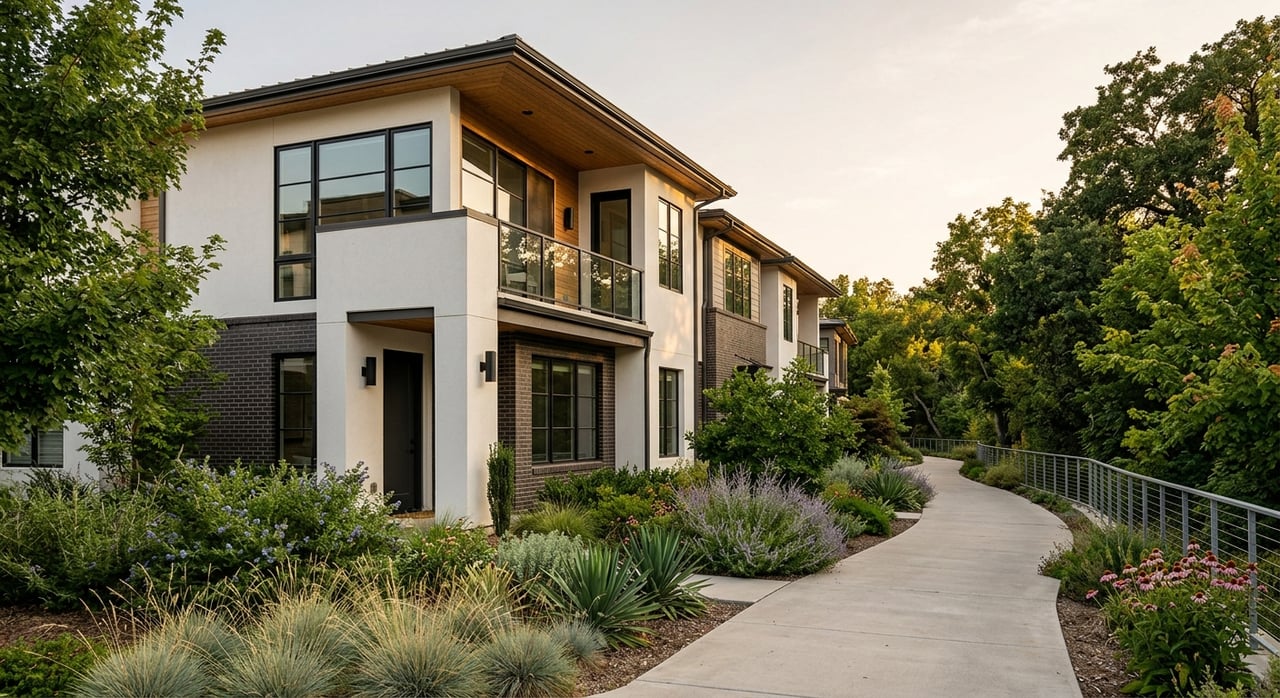
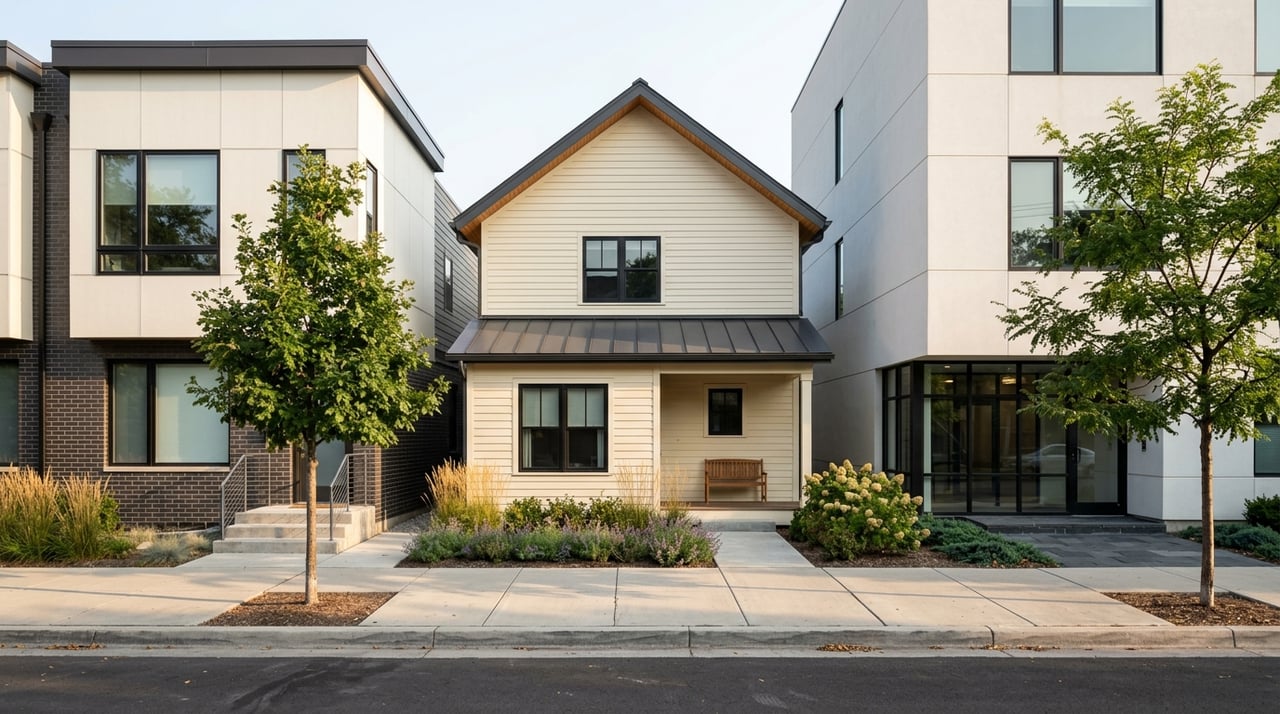
That setup can make the area feel more approachable if you are moving from renting. The community also notes that buyers can still find new condominiums, townhomes, and cottage-style single-family homes, which gives you more entry points depending on your budget and goals.
The neighborhood is also designed around convenience. The community describes a setting where many residents can walk or bike to coffee, parks, concerts, farmers markets, and other daily destinations, and says almost every home has at least one park within a five-minute walk.
What the Central Park Market Looks Like
If you are planning to buy here, it helps to go in with realistic expectations. Recent market snapshots show a median sale price in the low-to-mid $700,000s, with Redfin reporting $717,500 in March 2026 and Zillow showing $714,250 as of March 31, 2026.
Competition is still a factor. Redfin reports about 29 days on market on average and roughly two offers per home, with some hot homes going pending in around three days. That does not mean every listing becomes a bidding war, but it does mean preparation matters.
Focus on Total Monthly Cost
One of the biggest first-time buyer mistakes is focusing only on the mortgage payment. A better approach is to look at your total monthly housing cost.
That total usually includes:
- Principal and interest
- Property taxes
- Homeowners insurance
- Mortgage insurance, if applicable
- HOA dues or community assessments
The Consumer Financial Protection Bureau notes that the total monthly payment is usually higher than principal and interest alone because taxes and insurance are part of the real cost of ownership. In a neighborhood like Central Park, HOA or master-association costs can also make a meaningful difference.
Budget for Central Park's Added Costs
Central Park is not a simple one-fee neighborhood. The Master Community Association, or MCA, says it helps operate shared community property such as pools, town centers, trails, parks, and parkways, and that funding comes through property assessments, special-district taxes, and income from public facilities.
For 2026, the MCA assessment schedule lists monthly assessments of $58 for for-sale regular residential units and $31 for for-sale affordable residential units. Because Central Park includes different product types and sub-associations, you should verify the exact assessment for the specific home you are considering.
You should also prepare for transfer-related costs at closing. The MCA states that real-property transfers in the community may involve a negotiable Community Fee, calculated as the purchase price minus $100,000 multiplied by 0.25%, along with a $200 Working Capital Fee and a $200 Administrative Transfer Fee.
Those costs are a big reason why comparing only mortgage payments can lead you off track. A home that looks manageable on paper may feel different once you include community fees, taxes, insurance, and any sub-association dues.
Build a Safer First-Time Buyer Budget
A smart budget starts with what feels comfortable for your life, not just what a lender says you can borrow. The CFPB recommends focusing on a payment that leaves room for your other goals and keeping savings available for repairs and maintenance.
It also helps to update your assumptions as rates change. Your down payment, closing costs, and monthly payment can all shift during your search, so your budget should stay flexible rather than fixed.
As you plan, pay attention to your debt-to-income ratio, or DTI. The CFPB explains that DTI is your monthly debt payments divided by your gross monthly income, and different lenders may use different limits.
Down Payment Help Worth Exploring
If Central Park feels close but not quite comfortable, there may be programs that help bridge the gap. The City of Denver says metroDPA is available to households earning up to $216,000 with a credit score above 640, and sometimes 620, and the assistance comes as a deferred second mortgage with no monthly payments or interest.
That loan is repaid when the first mortgage is repaid or when the home is sold or refinanced. For some buyers, that can make the upfront cash needed to close more manageable.
CHFA also offers programs that may help with down payment and closing costs. According to CHFA requirements cited in the research, borrowers need a mid-credit score of 620 or higher, at least $1,000 in borrower contribution, and completion of a CHFA-approved homebuyer education class before closing. CHFA also offers up to $25,000 in second-mortgage assistance for eligible first-generation buyers.
Know What Cash You Need at Closing
Your cash to close is not just your down payment. The CFPB explains that closing costs can change based on lender fees, seller credits, and other transaction adjustments, which is why your Loan Estimate and Closing Disclosure matter so much.
In Central Park, you should compare those standard closing figures with any MCA-related transfer costs tied to the property. That includes checking for the Community Fee, Working Capital Fee, and Administrative Transfer Fee early in the process.
This is one of the biggest places where first-time buyers can get surprised. If you understand these items before you write an offer, you are less likely to feel squeezed later.
What to Review Before Making an Offer
In a neighborhood with a layered ownership structure, document review matters. The MCA property-transfer page points buyers to community documents such as the Community Declaration, assessment schedule, budget, financial statements, master insurance certificate, and status letter.
If you are seriously considering a home, ask for those materials early. They can help you understand your true monthly obligations, what is covered at the community level, and whether there are any details that could affect your decision.
This step is especially important if you are comparing a condo, rowhome, townhome, and detached home in the same neighborhood. Similar prices do not always mean similar monthly costs or closing expenses.
How to Compete Without Overextending
Central Park can be competitive, but that does not mean you need to make reckless choices. The CFPB recommends making offers contingent on financing and a satisfactory inspection, even in faster-moving markets.
A strong offer is often about preparation as much as price. In this neighborhood, that can mean having a current preapproval letter, understanding your full cash-to-close number, and knowing which terms you are comfortable keeping in place.
Redfin notes that some homes receive multiple offers and some buyers waive contingencies. Still, the goal is not to chase the market at any cost. The better strategy is to be informed, fast, and clear about your limits.
New Construction vs. Resale in Central Park
One advantage in Central Park is that new-home options still exist. The community site says buyers can still find new condos, townhomes, and cottage-style single-family homes, which can be appealing if you want modern finishes or lower near-term maintenance.
That said, new construction comes with its own tradeoffs. The CFPB notes that buyers of homes not yet built may be asked for an upfront builder deposit, and you do not have to use the builder’s affiliated lender.
That means shopping around still matters. Even if a builder offers incentives, you should compare loan options carefully and look at the total cost, not just the headline perk.
A Simple First-Time Buyer Game Plan
If you want a practical roadmap, start here:
- Set a monthly budget based on total housing cost, not just mortgage principal and interest.
- Get preapproved and compare options from multiple lenders.
- Ask about down payment assistance options like metroDPA and CHFA if you may qualify.
- Review the property’s community assessments and possible transfer costs before offering.
- Request key community documents early so you understand the ownership structure.
- Make a competitive offer that still fits your comfort level and risk tolerance.
This kind of preparation can help you move quickly without feeling rushed. In a neighborhood like Central Park, that balance matters.
If you are buying your first home here, the real goal is not just winning a house. It is buying a home you can enjoy and afford with confidence, in a neighborhood that fits how you want to live. With the right guidance, Central Park can be a smart and achievable first step.
When you are ready to talk through neighborhoods, monthly budgets, and a first-time buyer strategy that fits your goals, Nick Leibbrand can help you navigate the Denver market with clear advice and steady support.
FAQs
What should first-time buyers budget for in Central Park Denver?
- You should budget for principal and interest, property taxes, homeowners insurance, mortgage insurance if needed, HOA or community assessments, and possible transfer-related costs at closing.
How competitive is the Central Park Denver housing market?
- Recent market data shows homes average about two offers, sell in about 29 days, and some hot homes can go pending in around three days.
Are there affordable homeownership options in Central Park Denver?
- The community says affordable options exist, but there are currently no new income-restricted for-sale homes available, so buyers may want to explore Denver metroDPA and CHFA assistance programs.
What MCA fees should buyers ask about in Central Park Denver?
- Buyers should ask about the monthly MCA assessment, any sub-association dues, the negotiable Community Fee, the $200 Working Capital Fee, and the $200 Administrative Transfer Fee.
What documents should buyers review before offering on a Central Park home?
- Buyers should review the Community Declaration, assessment schedule, budget, financial statements, master insurance certificate, and status letter tied to the property.
Can you use your own lender for a new-build home in Central Park Denver?
- Yes, the CFPB notes that buyers do not have to use a builder’s affiliated lender and can still shop around for the best fit.